Dharamrup focuses on sectors where tangible assets, infrastructure, economic utility, and long-term demand intersect.
Our interest is not defined by a single asset class.
Instead, we study the industries and physical systems that support economic activity and continue to evolve alongside global demand.
Energy is fundamental to the functioning of the global economy.
Transportation, manufacturing, infrastructure, logistics, computing, construction, and everyday economic activity all depend on reliable access to energy.
As energy systems evolve, traditional and emerging infrastructure continue to play important roles in meeting global demand.
Dharamrup’s perspective considers the broader energy landscape, including the relationship between energy production, infrastructure, economic growth, and technological development.
The energy conversation is increasingly connected to another major economic trend: computing.
Artificial intelligence, cloud infrastructure, and data centers require significant power.
Understanding the future of digital infrastructure therefore also requires understanding the energy systems supporting it.

Precious metals have played a role in global economic systems for centuries.
Their physical scarcity, tangible nature, industrial applications, and history within financial markets continue to distinguish them from many other asset categories.
Dharamrup follows precious metals as part of a broader perspective on real assets, scarcity, tangible value, and changing economic conditions.
Our interest in precious metals is part of a broader philosophy rather than a short-term market view.
We study how tangible assets can interact with economic cycles, supply constraints, industrial demand, and longer-term changes in global markets.
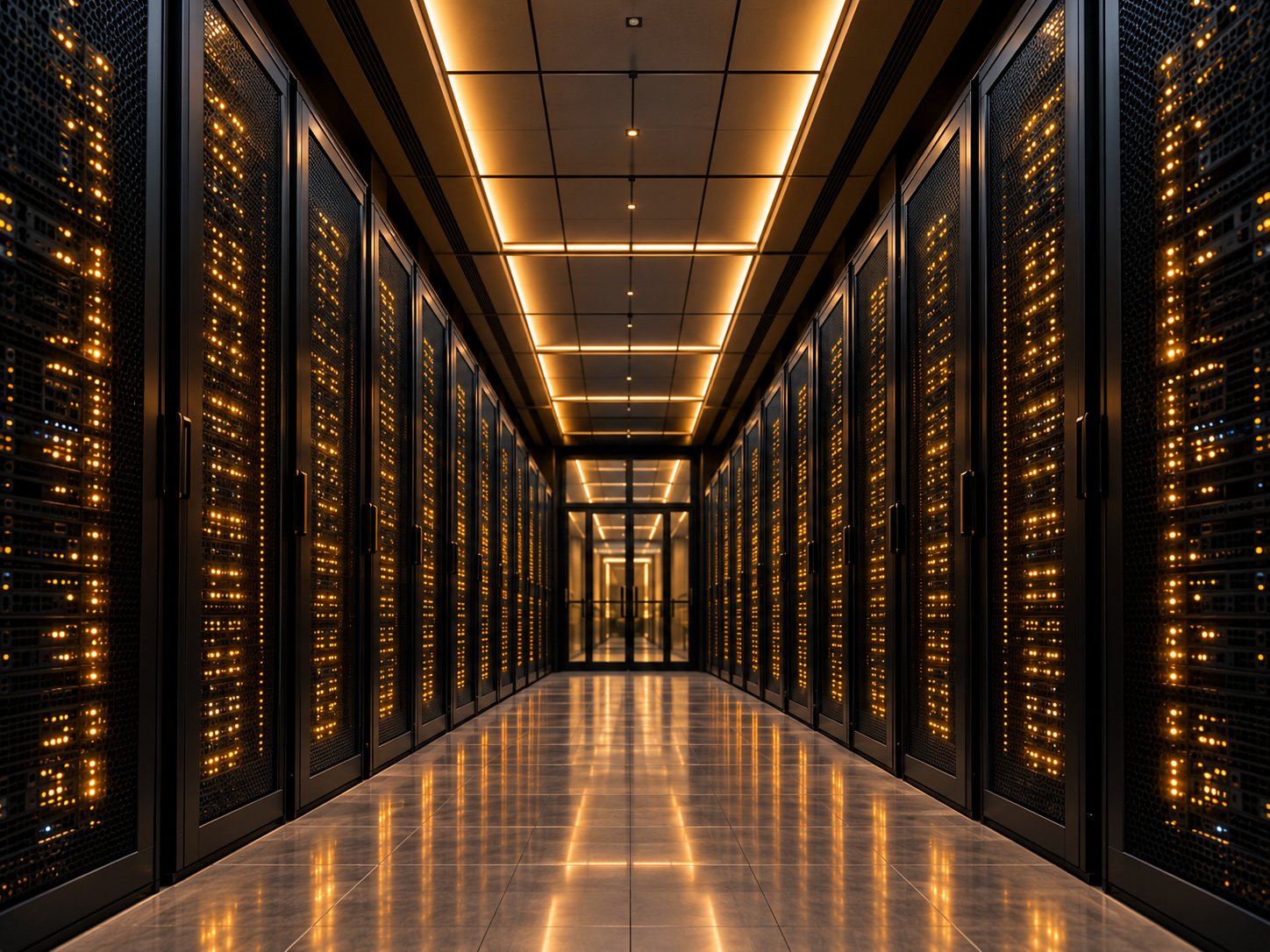
The digital economy depends on physical infrastructure.
Cloud computing, artificial intelligence, streaming, enterprise technology, and increasing volumes of data require facilities capable of storing, processing, transmitting, and protecting information.
Data centers sit at the intersection of several areas Dharamrup follows closely:
The continued expansion of artificial intelligence and data-intensive computing is increasing attention on the physical systems supporting digital growth.
These systems require:
The result is an increasingly important relationship between technology growth and real assets.
We view digital infrastructure not simply as a technology theme, but as part of the physical economy.
Understanding its development means understanding the infrastructure, energy requirements, and real assets required to support it.
Real estate represents the foundation of Dharamrup Enterprises.
It provided an early framework for thinking about tangible value, location, physical assets, ownership, development, and long-term economic demand.
Today, real estate remains part of Dharamrup’s broader real-assets perspective.
Real estate is influenced by forces extending well beyond individual properties.
Understanding those relationships continues to inform Dharamrup’s perspective across other asset categories.
Rather than viewing real estate in isolation, we consider its relationship with the broader systems and industries surrounding it.
Not every compelling real asset fits neatly into a traditional classification.
Dharamrup continues to study areas where physical utility, scarcity, infrastructure, structural demand, or economic importance may create long-term relevance.
Our perspective is particularly drawn to areas connected to:
Our focus can evolve as industries evolve.
What remains consistent is the framework through which we evaluate them.
Understanding real assets requires understanding the industries, infrastructure, and economic forces surrounding them.